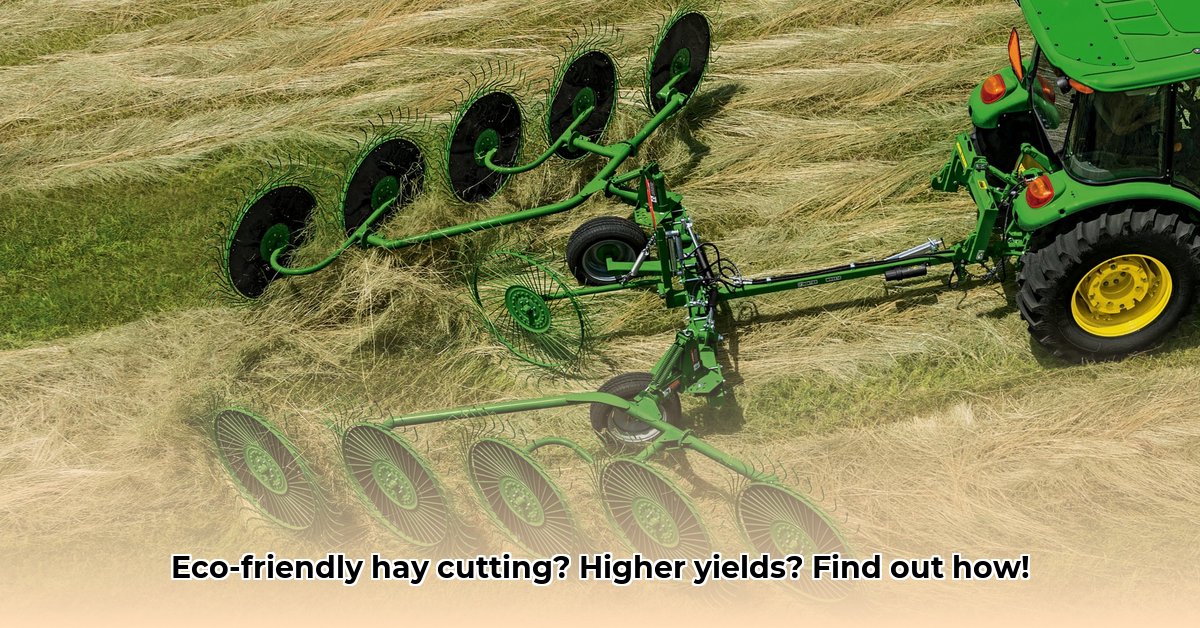
Choosing the right hay cutting tractor is a crucial decision impacting both your farm's profitability and environmental footprint. This guide helps you navigate the process, ensuring a sustainable and efficient hay operation. For more information on tractor attachments, check out this helpful resource.
Assessing Your Needs: Matching Tractor to Farm
Before you start shopping, honestly assess your operation. How many acres do you need to cut? What's your realistic budget? Do you need speed or fuel efficiency most? These answers will determine the right tractor size and features.
A smaller farm might benefit from a compact, fuel-efficient model. Larger operations need more horsepower for timely harvesting. Essential features include a three-point hitch (for attaching cutting equipment), a powerful PTO (power take-off), and ergonomic controls for operator comfort. Consider your terrain; hilly land requires excellent traction for safety.
New vs. Used: Weighing the Pros and Cons
New tractors offer the latest technology, warranties, and manufacturer support. However, the initial investment is significant. Used tractors are more affordable upfront but might require more maintenance and repairs, potentially increasing long-term expenses.
Here's a comparison:
| Feature | New Tractor | Used Tractor |
|---|---|---|
| Initial Cost | High | Low |
| Maintenance | Lower initially; increases over time | Potentially higher, unpredictable costs |
| Fuel Efficiency | Generally better | Varies greatly depending on condition |
| Technology | Latest features | Older technology; may lack advanced features |
| Warranty | Comprehensive manufacturer's warranty | Limited or no warranty; buyer beware |
The best choice depends on your risk tolerance and long-term planning. A thorough cost-benefit analysis is essential, considering potential repairs, downtime, and fuel costs over the tractor's lifespan.
Choosing a Sustainable Hay Cutting Tractor: Investing in the Future
Sustainability is paramount. Prioritize tractors with fuel-efficient engines and emissions-reducing features. Durability is key; a long-lasting tractor minimizes replacements and waste. Easy maintenance reduces downtime and repairs, saving money and emissions. Brands like John Deere offer models with fuel-saving technologies.
"Investing in a durable, fuel-efficient tractor is a long-term investment in both your farm's profitability and environmental responsibility," says Dr. Emily Carter, Agricultural Engineering Professor at Cornell University.
Maintenance and Lifecycle Management: Keeping Your Tractor Running Smoothly
Regular maintenance is crucial for longevity and efficiency. Follow the manufacturer's recommended schedule diligently. This prevents breakdowns, maximizes fuel economy, and extends the tractor's lifespan. Proper off-season storage protects against weather damage. When the time comes, explore environmentally responsible disposal or refurbishment options.
Financing and Incentives: Making Sustainable Choices Affordable
Explore financing options like farm loans and equipment leases. Many governments offer subsidies or tax incentives for fuel-efficient or eco-friendly equipment, significantly reducing the initial cost. Check with your local agricultural agencies for available programs.
"The financial incentives for sustainable farming equipment can be substantial, making the transition to eco-friendly practices both economically and environmentally beneficial," notes Mark Johnson, Agricultural Economist at the USDA.
Real-World Examples: Learning from Others
Sarah Miller, a farmer from Iowa, switched to a fuel-efficient tractor and experienced a 20% reduction in fuel costs. John Smith, from Kansas, meticulously maintained his used tractor, extending its lifespan significantly. These examples highlight how smart choices benefit both the farmer and the environment.
Conclusion: Planning for a Sustainable Future
Your hay cutting tractor choice impacts your farm's long-term health and the planet's. By carefully considering your needs, exploring options, and prioritizing sustainability, you invest in a profitable and environmentally responsible future. Remember, responsible choices today contribute to a healthier tomorrow.